Biomethane Task Force calls for a national biomethane strategy for Germany
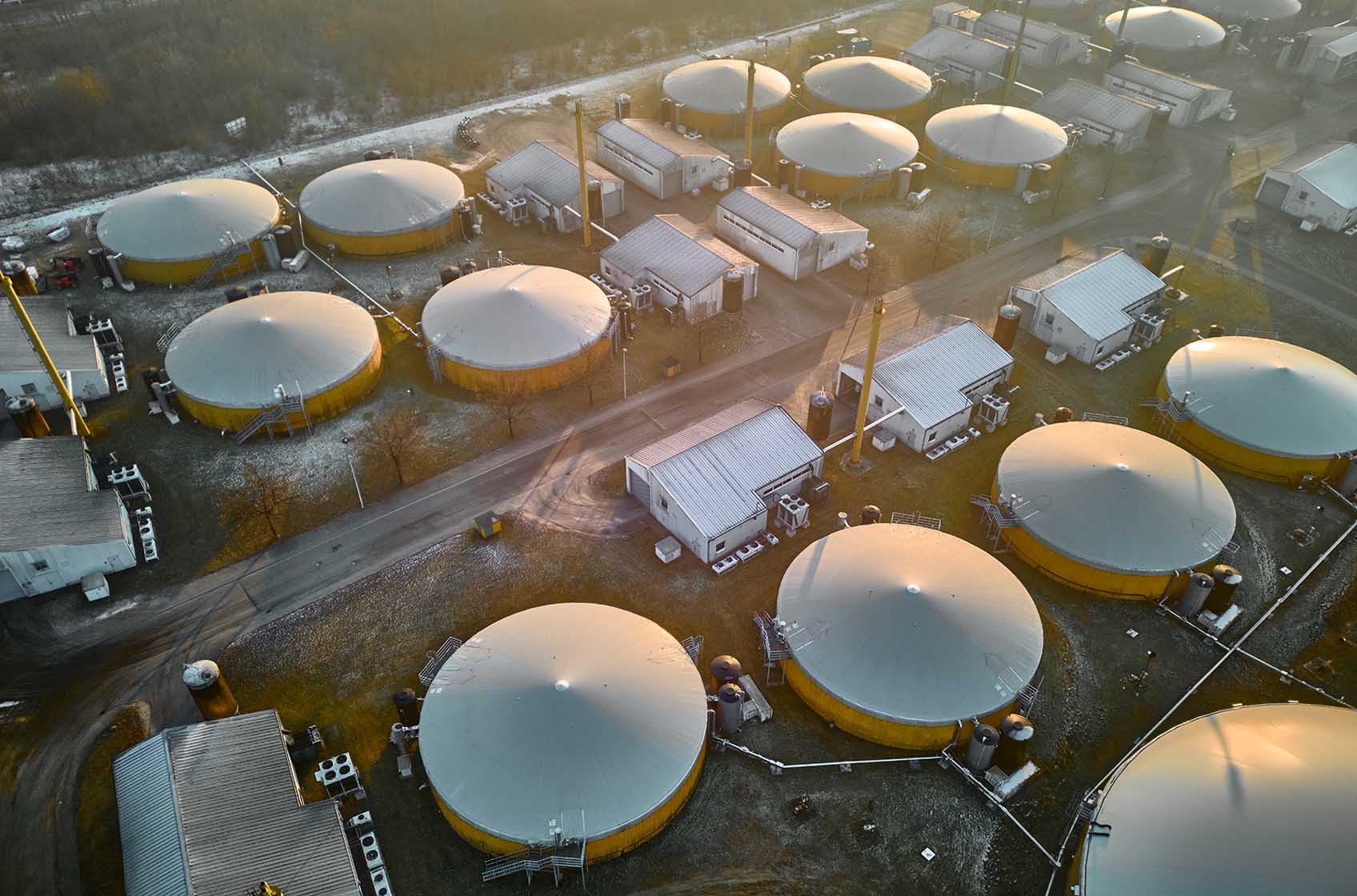
Germany needs a national biomethane strategy. Only with clear expansion targets, reliable investment conditions and secured markets can biomethane move from being a niche market to becoming a key pillar of the energy transition . This is what the Biomethane Taskforce calls for in its position paper. In it, the initiative sets out the regulatory decisions that must now be taken – from the Energy Industry Act through the Renewable Energy Act to the Building Modernisation Act.
Biomethane has the potential to become a key renewable fuel for affordable and socially responsible decarbonisation – in the building sector, in industry, in power stations and in heavy goods transport. To ensure that renewable gas can fulfil this role in the energy system, operators of biomethane plants, grid operators and consumers, however, need planning certainty. This is demonstrated by the latest position paper from the Biomethane Taskforce, in which the initiative outlines practical framework conditions for the market roll-out of biomethane.
In relation to key legislative proposals – including the Energy Industry Act (EnWG), the Renewable Energy Act (EEG) and the Building Modernisation Act (GModG) – the initiative sees scope for adjustments, to make biomethane accessible in relevant sectors and thus make the energy transition faster, more resilient and more affordable.
As part of the implementation of the EU Gas Market Package, the initiative is calling for investment-friendly payback periods of 20 years for the connection of biomethan plants, as well as the maintenance of existing plants. At the same time, a transformation and compensation mechanism is required for grid operators to ensure that strategically important biomethane infrastructure can be maintained without passing on transformation costs unilaterally to individual stakeholders. Furthermore, the Biomethane Taskforce advocates a national expansion strategy. “Particularly in the early phase of the market ramp-up, biomethane needs clear rules, reliable infrastructure prospects and an ambitious expansion target,” says Bengt Bergt, spokesperson for the Biomethane Taskforce. “To strengthen biomethane, we must work together to ensure investment certainty for plant operators and fair transition conditions for network operators . Only in this way can climate-neutral gas infrastructure be maintained and the roll-out of renewable molecules be accelerated.”
With regard to the EEG, the initiative is calling for higher tender volumes and improved flexibility premiums for biomethane. The aim is to provide incentives for private investment in plants, infrastructure and flexible renewable power generation capacity. The position paper points out that domestic production capacity can be increased from the current 10 TWh to up to 331 TWh by 2045. Secured markets are crucial for this. The Biomethane Task Force therefore sees a considerable need for action in the buildings sector: The planned Building Modernisation Act is intended to treat biomethane as an equally valid decarbonisation solution alongside heat pumps and district heating.
In addition, a green gas quota would help to create a reliable demand trajectory for renewable gas and encourage investment in additional biomethane plants. “A one-sided electrification of the heating market would be economically risky and socially burdensome,” said Bergt. “Biomethane enables a pragmatic decarbonisation for millions of households, who still heat their homes with gas today and are unlikely to be able to switch to electricity in the foreseeable future. According to our calculations, around 5 million gas condensing boilers will still be in use in 2045. Biomethane utilises existing infrastructure, avoids unnecessary additional costs and gives consumers greater freedom of choice when switching to climate-neutral heating.”
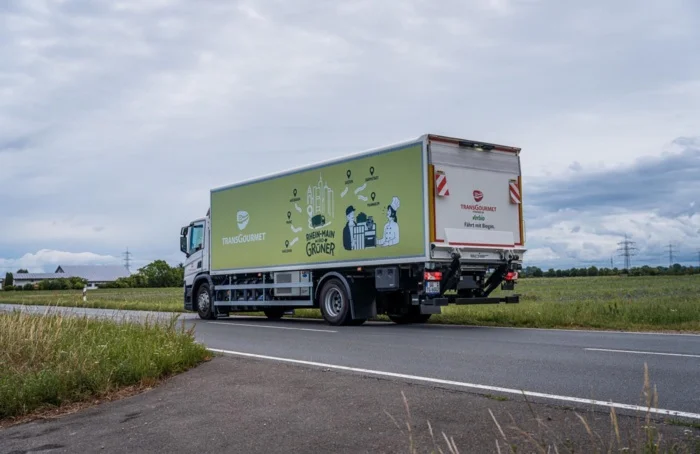
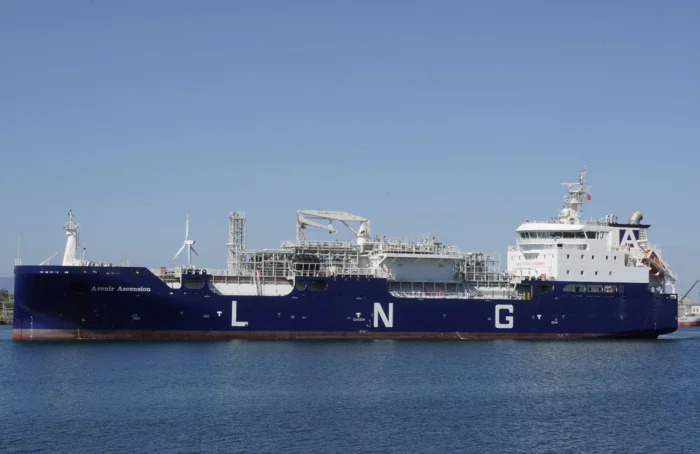
The position paper also emphasises the role of biomethane in the transport sector. Liquid and compressed biomethane in the form of bio-LNG and bio-CNG can, in particular, help to reduce emissions in heavy goods transport in the short term. To ensure a broad-based ramp-up, the initiative calls, amongst other things, for tax incentives and full crediting against CO2 emissions limits.
“With a robust market ramp-up, additional volumes will become available quickly,” says Bergt. “Existing infrastructure will have a future, and hydrogen will be usefully supplemented. The years leading up to 2030 will determine whether this potential can be realised in Germany or whether it will remain untapped due to a lack of planning certainty.”