Biomethane Taskforce
Mission
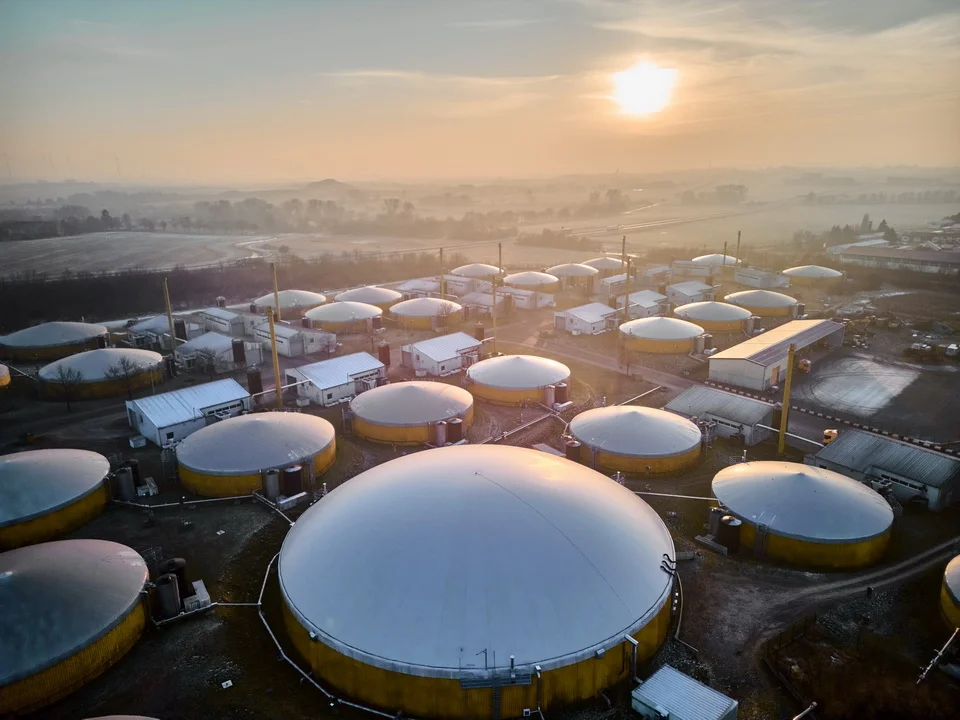
Biomethane is already a central pillar of the energy transition. It is renewable, storable and immediately available – and it uses the existing gas infrastructure. In this way, biomethane combines climate protection with security of supply and domestic value creation.
Exactly these potentials are currently at risk. The current draft amendment to the Energy Industry Act (EnWG), developed as part of the implementation of the EU Gas and Hydrogen Market Package, for example removes biomethane’s long-term perspective in gas networks. Existing and new biogas plants risk losing access to infrastructure, while distribution networks may be decommissioned prematurely. The result is rising costs for households and small and medium-sized enterprises due to higher conversion and system costs – and a setback for the energy transition.
What is missing are clear and investment-secure framework conditions for infrastructure, markets and the use of biomethane. These include a practicable mass-balancing system for green gases as well as a reliable trading and certification framework. Without these foundations, biomethane risks losing its role in Germany’s energy system – even though it is needed now more than ever.
Biomethane can deliver far more than it is currently credited with in policy debates. This requires clear political decisions. We advocate for:
- Pragmatic use of existing gas grid infrastructure – instead of widespread decommissioning
Focus on potential uses for green gases and hydrogen transformation and continue to use infrastructure in a climate-friendly, cost-effectively. - A resilient energy supply
Biomethane strengthens security of supply and reduces import dependencies. - A liquid and transparent biomethane market
With clear rules for trading, certification and mass balancing. - Future prospects for agriculture and the circular economy in Germany
Safeguarding and expanding local value creation. - The defossilisation of cities and rural areas
Biomethane enables climate-neutral heat and flexible power generation. - Solutions for hard-to-electrify transport sectors
In particular road transport and shipping.
The years 2026 to 2030 represent the decisive market, investment and infrastructure window for biomethane. Several developments are converging at the same time, creating – for the first time – the basis for a large-scale market for renewable gases.
The European Emissions Trading System (ETS I and ETS II) provides lasting price signals in favour of renewable energy carriers such as biomethane.
RePowerEU defines a binding target of 35 bcm of biomethane in the EU by 2030, prompting many Member States to develop national expansion pathways.
- The phase-out of EEG support forces existing plants to move towards market-based business models – which requires functioning market rules and secure access to infrastructure.
- If implemented correctly, the EU Gas Market Package establishes the foundation for guarantees of origin, the Union Database and mass balancing – key building blocks for trading and scale-up.
- National frameworks (including GEG/GMG, heat policy, BEHG, GHG quota, CHP Act (KWKG) and the power plant strategy) create concrete demand for renewable molecules.
- This window of opportunity is limited. If it is not used politically, Germany risks plant shutdowns, stalled investments and a lasting loss of value creation and know-how.
-
 Expertise
 -
 Market Knowledge
 -
 Political Experience
Market and Volume Potential
-
-
876 TWh
German gas consumption in 2025 – of which 11,5 TWh is biomethane.
-
90-102 TWh
Potential volume of biogas (predominantly domestic production) in 2030.
-
154-331 TWh
Potential volume of biogas (predominantly domestic production) in 2045.
-
-
Import Potential
-
102 TWh
Biomethane imports from Ukraine in 2030.
-
331 TWh
Biomethane imports from Ukraine in 2050.
-
Partners
The partners of the Biomethane Taskforce represent the entire biomethane value chain – from production, trading, and transport to use and storage. Together, we are committed to ensuring that biomethane can reliably contribute to security of supply, affordability, and climate protection in the future.



Biomethane in the Transformation Pathway New Gases
-
As a partner of the Biomethane Task Force, THE GAS AND WATER INDUSTRY is building on its successful cooperation with the BDEW and the DVGW as part of the transformation path for new gases. On this common basis, we are committed to further strengthening the role of biomethane as a key pillar of a resilient and climate-neutral energy system. The aim of the partnership is to create reliable political framework conditions, increase investment security and consistently promote the market ramp-up of biomethane as an available decarbonisation option.
Join the Initiative
We bring together players from the energy industry, agriculture, and small and medium-sized enterprises who are shaping the ramp-up of biomethane. Together, we pool expertise, market experience, and political perspectives to contribute our well-founded and effective positions to ongoing legislative procedures and implementation processes.
- Are you also interested in pragmatic decarbonization – one that is fast-acting, affordable, and strengthens security of supply?
- Do you also see the potential of biomethane as a renewable, storable energy source that utilizes existing infrastructure and enables local value creation?
- Would you like to see this potential given a powerful voice in politics and regulatory processes?
Then the Biomethane Task Force is the right place for you. Feel free to contact us – we look forward to hearing from you.